Foot problems aren’t just a minor inconvenience; they can seriously affect your daily life. From painful bunions to persistent plantar fasciitis, those nagging issues can throw a wrench in your day. Proper footwear is your first line of defense, and orthopedic shoes often come to the rescue.
Orthopedic shoes are designed to support the natural structure of your feet, which can help reduce pain and even prevent future issues. They come with features like enhanced arch support, cushioned soles, and a design that promotes better alignment of your feet, legs, and back. This means fewer aches and pains throughout your body.
But why stop at basic orthopedic support? Ventilation in shoes takes comfort to the next level. With proper ventilation, your feet stay cool and dry, even on those long days where you’re constantly on the move. This means less sweating, fewer blisters, and a reduced risk of fungal infections like athlete’s foot.
The combination of orthopedic support and ventilation doesn’t just make your feet happy; it benefits your whole body. Good airflow can help regulate foot temperature, reducing uncomfortable swelling and the general fatigue that often comes with hot, confined feet. This can be a game-changer for anyone struggling with foot problems.
Incorporating ventilated orthopedic shoes into your daily routine isn’t just a luxury—it’s a smart move for long-term health. Proper care for your feet today means fewer problems tomorrow. Investing in the right pair of shoes can make all the difference.
What Makes Ventilated Orthopedic Shoes Stand Out?
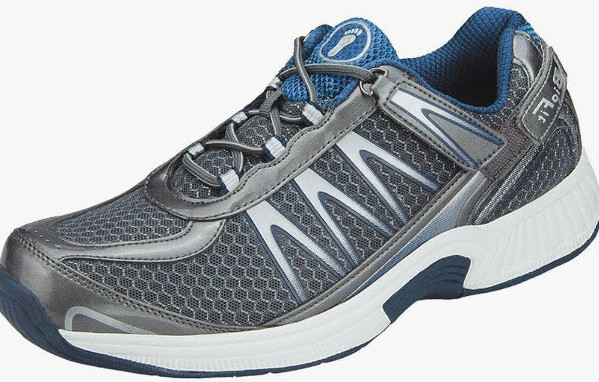
Ventilated orthopedic shoes have some standout features that set them apart from regular footwear. First off, they’re made from breathable materials like mesh or specially designed fabrics that let air circulate around your feet. This natural airflow keeps your feet cool and dry, reducing sweat and improving overall comfort.
Then there’s the advanced design. Many of these shoes incorporate innovative technologies to enhance ventilation without compromising on support. For instance, some shoe brands use perforated insoles or moisture-wicking linings that draw sweat away from the foot, keeping you comfortable all day. These design features work together to provide a balanced feel where you get both support and breathability.
The impact of ventilation on foot health can’t be overstated. When your feet are well-ventilated, they’re less likely to develop odors, rashes, or fungal infections like athlete’s foot. Staying dry and comfortable isn’t just a perk; it’s essential for maintaining healthy skin and nails, especially if you’re prone to foot problems.
Comparing ventilated orthopedic shoes to traditional ones reveals some interesting differences. Traditional orthopedic shoes certainly offer excellent support, but they usually lack that all-important breathability. Ventilated options bridge this gap, giving you both the structural support your feet need and the cool, dry environment they crave.
Balancing these features means you don’t have to choose between comfort and health. Ventilated orthopedic shoes let you have the best of both worlds, making them a smart addition to any wardrobe, especially if you’re dealing with foot pain or other related issues.
Choosing the Right Ventilated Orthopedic Shoes for You
Finding the right pair of ventilated orthopedic shoes isn’t one-size-fits-all. The first thing to consider is fit. Proper fit is crucial for both comfort and effectiveness. Shoes that are too tight can cause blisters and restrict airflow, while those that are too loose fail to provide adequate support. Make sure to measure both feet, as they can be slightly different sizes, and try on shoes later in the day when your feet are at their largest.
Support is the next big factor. Look for shoes that offer good arch support, a sturdy heel counter, and cushioned insoles. These features work together to properly align your feet and distribute pressure evenly. This isn’t just about comfort—it’s about preventing future issues like back pain or knee problems.
Ventilation, of course, is key. Look for shoe materials that promote airflow, like mesh or perforated fabrics. Some shoes also feature moisture-wicking linings or insoles to help keep your feet dry. Don’t underestimate the power of these features—they can make or break your overall comfort level.
You’ll also need to decide between custom and off-the-shelf options. Custom shoes are tailored to your feet and specific needs, providing the best fit and support. However, they can be pricey. Off-the-shelf options are more budget-friendly and can still provide excellent support and comfort if chosen carefully.
Check out expert reviews and buying guides to help you make an informed decision. Look for trusted brands that are known for their quality and innovation. Knowing what has worked for others can guide you towards a pair that will work for you too.
Caring for Your Ventilated Orthopedic Shoes
Proper care for your ventilated orthopedic shoes ensures they last longer and maintain their effectiveness. Routine maintenance starts with regular cleaning. Use a soft brush to remove dirt and debris from the shoe’s surface. For tougher stains, a mixture of mild soap and water usually does the trick. Just be careful to avoid soaking the shoes, as this can damage their structure and the integrity of the materials.
Keeping the shoes breathable is a top priority. After wearing them, allow the shoes to air out. Remove the insoles if possible, and let them dry separately. This simple step can significantly reduce odour and moisture build-up. Avoid storing your shoes in sealed containers or plastic bags since this can trap moisture and lead to unpleasant smells or even mold growth.
Preventing wear and tear is another aspect of shoe care. Rotate between different pairs of shoes to give each pair time to recover and maintain their shape. If you notice any damage, such as worn-out insoles or frayed laces, replace them promptly. Small fixes can extend the overall life of your shoes.
Knowing when to replace your ventilated orthopedic shoes is essential. No shoe lasts forever, and while it might be tempting to hold onto them, worn-out shoes can’t provide the proper support or ventilation your feet need. The general rule is to replace them every six to twelve months, depending on use and visible wear.
Sustainable disposal practices are important too. Don’t just toss your old shoes in the trash. Look for recycling programs or donation centers that accept gently worn shoes. Your old pair might have some life left for someone else, or they can be recycled into new materials.