Orthopedic shoes might sound like something only for the elderly or those with significant foot issues. But, in reality, they’re an essential piece of footwear for anyone seeking better foot health. Whether you’re dealing with plantar fasciitis, arthritis, or simply looking for extra support and comfort, orthopedic shoes can be a game-changer.
So, what exactly are orthopedic shoes? These are specially designed footwear crafted to alleviate stress and complications associated with foot, ankle, and lower leg pain. But not all orthopedic shoes are created equal, and a lot of what sets them apart boils down to the materials used in their construction.
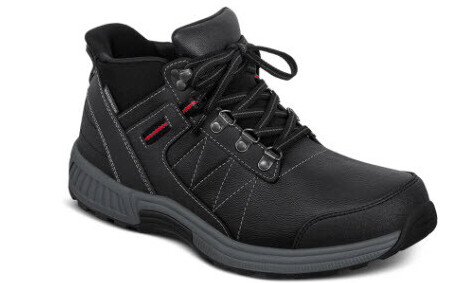
Let’s start with the basics of orthopedic shoe materials. You’ll often find a mix of materials like leather, rubber, and various types of foam. Leather is often cherished for its durability and breathability. Rubber, especially for outsoles, is known for its slip-resistant and shock-absorbing qualities, making it a staple in orthopedic footwear. Then there are different kinds of foam – memory foam and high-density foam – which add layers of comfort and shock absorption to keep your feet happy.
Now, orthopedic shoes have a clear objective: to blend durability and comfort seamlessly. Choosing the right materials can make all the difference in how long your shoes last and how good they feel on your feet. That’s why understanding the role of these materials is crucial in making an informed decision. Good materials will not only support your feet better but also ensure that your investment in orthopedic shoes is worthwhile.
Durability Considerations in Orthopedic Shoe Materials
When it comes to orthopedic shoes, durability is a major factor. You want a shoe that won’t just support your feet but also go the distance. Different materials offer varying levels of toughness and lifespan.
Leather is a classic choice for durability. It’s tough, flexible, and breathable. Over time, leather molds to the shape of your feet, providing a custom fit that gets comfier the more you wear it. The downside? Leather requires a bit more care – think of it as an investment that pays off in the long run.
Rubber is another all-star when it comes to durability. Often used in outsoles, rubber offers fantastic wear resistance and grip. This means less slipping and more stability. If you’re active or tend to walk a lot, a good rubber sole can keep your feet protected through various terrains and weather conditions.
High-density foam is usually found in the midsole, offering both durability and excellent cushioning. This material doesn’t compress as quickly as other types of foam, meaning your shoes will maintain their supportive structure longer. That’s crucial for anyone who spends a lot of time on their feet.
Environmental conditions can also affect durability. Moisture, extreme temperatures, and daily wear and tear can degrade materials faster. Waterproof treatments and protective sprays can extend the life of your orthopedic shoes, ensuring they stay in good shape regardless of the weather.
User activity levels are equally important to consider. If you’re super active, focusing on durable materials becomes essential. Leather uppers combined with rubber outsoles and high-density foam midsoles can offer the perfect mix of durability and comfort for those constantly on the move.
Comfort Considerations in Orthopedic Shoe Materials
Comfort should never be compromised when it comes to orthopedic shoes. After all, if your feet aren’t happy, it’s hard to focus on anything else. Various materials contribute to the overall comfort of your footwear, making all the difference during long hours of wear.
Memory foam is a popular choice for those seeking superior cushioning. Known for its ability to contour to your foot’s unique shape, memory foam evenly distributes pressure, reducing hotspots and discomfort. This makes it a lifesaver for anyone dealing with foot pain or conditions like plantar fasciitis.
Gel inserts are another fantastic option for added comfort. These provide excellent shock absorption, which is particularly beneficial if you’re on your feet a lot. Gel technology helps in reducing the impact on your heels and arches, offering a softer landing with every step.
Breathable fabrics play a key role in keeping your feet cool and comfortable. Materials like mesh allow for better air circulation, which helps in moisture management. Keeping your feet dry can significantly reduce the risk of blisters and fungal infections.
Ergonomic design principles can’t be ignored when discussing comfort. Orthopedic shoes often come with features like arch support, cushioned insoles, and heel cups. These design elements work together to provide a harmonious balance of comfort and support. It’s not just about sinking into a soft footbed, but ensuring that your foot mechanics are properly supported and aligned.
Balancing comfort and support is the real trick. Too much cushioning without proper support can lead to more problems down the line. The right orthopedic shoe will offer a blend of materials that provide both – think memory foam paired with structured arch support or gel inserts combined with firm midsoles.
Choosing the Right Orthopedic Shoe for Your Needs
Picking out the perfect pair of orthopedic shoes involves a bit of homework. Your individual needs should be at the forefront when making this decision. Are you dealing with heel pain, arch issues, or general discomfort? Different conditions call for different types of support and cushioning.
Start with an assessment of your specific requirements. If you have plantar fasciitis, for example, look for shoes with strong arch support and plenty of cushioning in the heel. For arthritis, softer, more flexible materials may be preferable.
Understand the material properties of the shoes you’re considering. Leather is durable and molds to your foot over time, but it can be heavier. Mesh and other breathable fabrics are great for keeping feet cool and reducing moisture, but they may not offer the same level of support. Rubber outsoles provide excellent traction and durability, ideal for active lifestyles.
Consulting a healthcare professional can give you personalized recommendations. Podiatrists and orthopedic specialists can offer valuable insights into what materials and designs will best suit your needs. They can also perform specialized assessments to determine the areas that need the most support.
Keep an eye out for common pitfalls. Avoid shoes that seem overly rigid or those that lack sufficient arch support. Remember, the goal is to find a balance between comfort and durability. Lightweight but flimsy materials might feel great initially but won’t provide lasting support.
Lastly, never underestimate the importance of trying the shoes on. A pair that looks great on paper might not feel right on your feet. Walk around the store, take them for a mini-test run, and ensure there are no pressure points or areas of discomfort. Your feet will thank you in the long run.