Adjustable orthopedic shoes aren’t just for those who are aging or have specific medical conditions. They can be a game-changer for anyone with wide feet facing daily discomfort. When you have wider feet, finding comfy, stylish shoes can feel like hunting for a needle in a haystack, right? No more squeezing into shoes that cramp your style and your toes.
People with wide feet often deal with bunions, hammertoes, and plantar fasciitis. Tight shoes can make these issues worse, leading to pain and even injury. Orthopedic shoes, especially ones you can adjust, are designed to help with these specific problems, offering support where you need it most, and providing enough room to keep your feet happy.
Traditional footwear often falls short because they’re typically built to standard sizes. They don’t consider the extra room needed for comfort and proper support. Adjustable orthopedic shoes break this mold by offering the flexibility to expand and contract as needed. This is great news if your feet tend to swell throughout the day or if you need a custom fit for both feet, which often aren’t exactly the same size.
Not only do these shoes offer physical relief, they also provide peace of mind. Instead of worrying about the next painful step, you can focus on living your life. No more distractions or limitations due to foot pain. So, whether you’re hitting the town or just running errands, adjustable orthopedic shoes ensure you’re doing so in comfort and style.
Key Features of Adjustable Orthopedic Shoes for Wide Feet
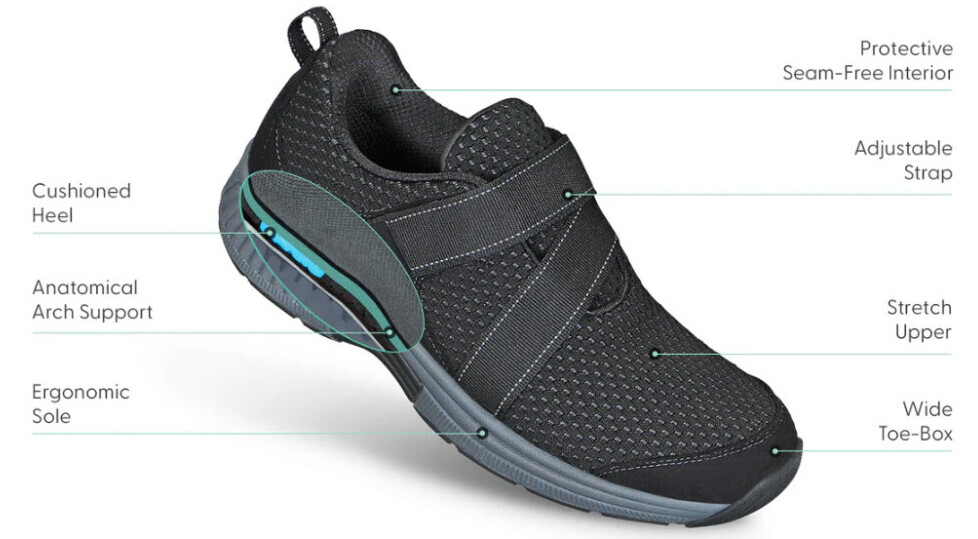
Customizable fit is the ultimate perk here. Brands offer straps, laces, and even Velcro to tweak the fit until it’s just right. This adaptability handles swelling, odd foot shapes, and anything else thrown your way.
Materials matter too. High-quality leathers, breathable mesh, and moisture-wicking fabrics make a huge difference. Not all materials are made equal; the best ones keep your feet cool, dry, and blister-free, even after a long day.
Arch support and cushioning—these are essentials, not extras. Orthopedic shoes come with well-designed insoles that mimic the natural curve of your foot, giving you the support standard shoes lack. Goodbye, achy feet!
Breathability is another game-changer. No one likes sweaty feet, and the right shoes will keep air circulating freely. This cuts down on odor and prevents fungal infections, keeping your feet healthy and fresh.
How to Choose the Right Adjustable Orthopedic Shoes
Knowing your specific foot needs is crucial. Foot problems differ – bunions, plantar fasciitis, or just plain wide feet, and each of these needs different solutions. Start by identifying what your feet require. Do you need extra arch support or more room in the toe box? Pinpointing these details guides you to the perfect pair.
Professional fitting services can be a lifesaver. Many stores offer these services to help you find the exact fit you’re looking for. The fitting process can include measurements, gait analysis, and pressure mapping to ensure the shoes meet all your needs.
When shopping for orthopedic shoes, consider the shoe’s adjustability features. Look for multiple adjusting points, such as laces, straps, and Velcro. These elements make it easier to tailor the shoes to your exact foot shape and comfort level.
Test before you commit. Don’t rush through this step. Try them on, walk around the store, and pay attention to how they feel. Are they supportive? Do they rub or pinch anywhere? Comfort is key, so take your time with this.
Caring for Your Adjustable Orthopedic Shoes
Cleaning and maintaining your orthopedic shoes can significantly extend their lifespan. Regularly wipe them down with a damp cloth to remove dirt and debris. For deeper cleaning, mild soap and water will do the trick. Just avoid soaking them, as excessive moisture can harm the materials.
Knowing when to replace your shoes is equally important. Worn-out shoes can lose their supportive features, leading to discomfort again. Pay attention to signs like flattened insoles, worn-out treads, or any new discomfort.
To make your shoes last longer, rotate between pairs if possible. Giving shoes a day off lets the materials regain their shape and prolong their life. Also, consider using shoe trees; these nifty tools help maintain the shape and structure of your shoes when you’re not wearing them.
Regular foot evaluations by a healthcare professional keep your feet in check and ensure your orthopedic shoes continue to meet your needs. Foot conditions can change over time, so periodic checkups ensure your footwear is still the right fit for you.